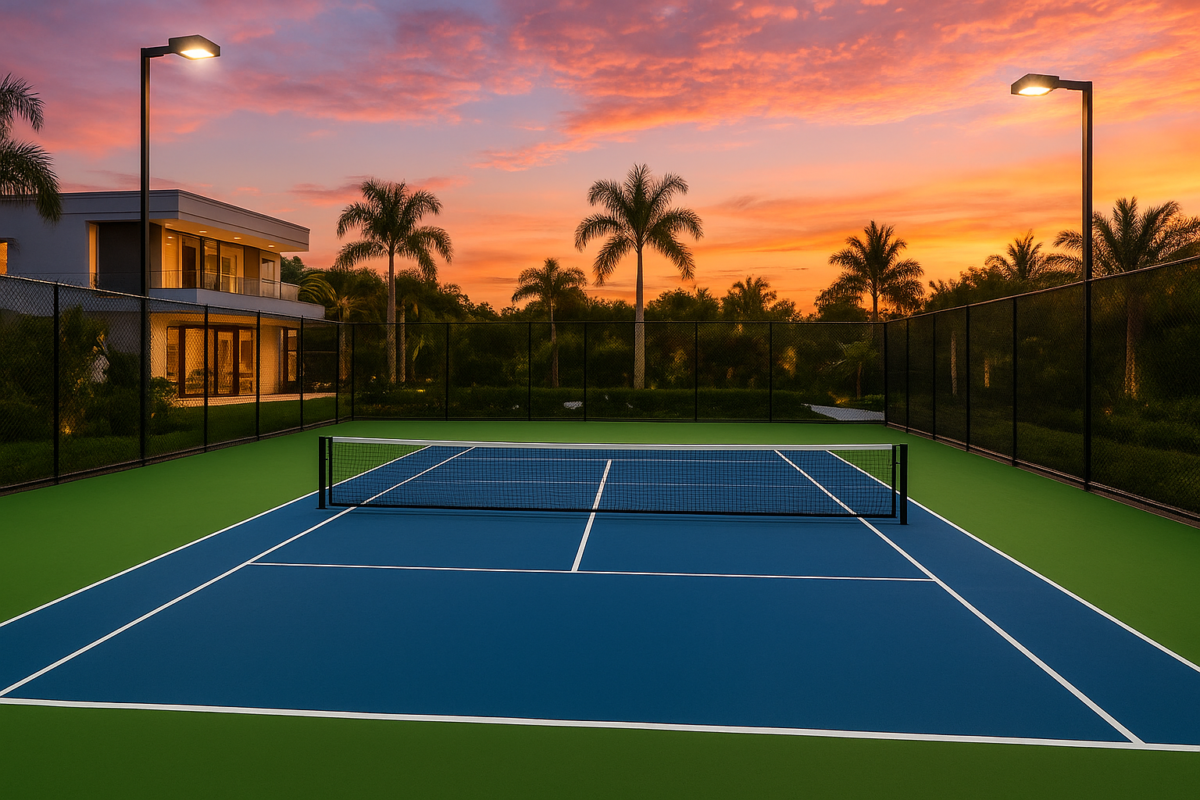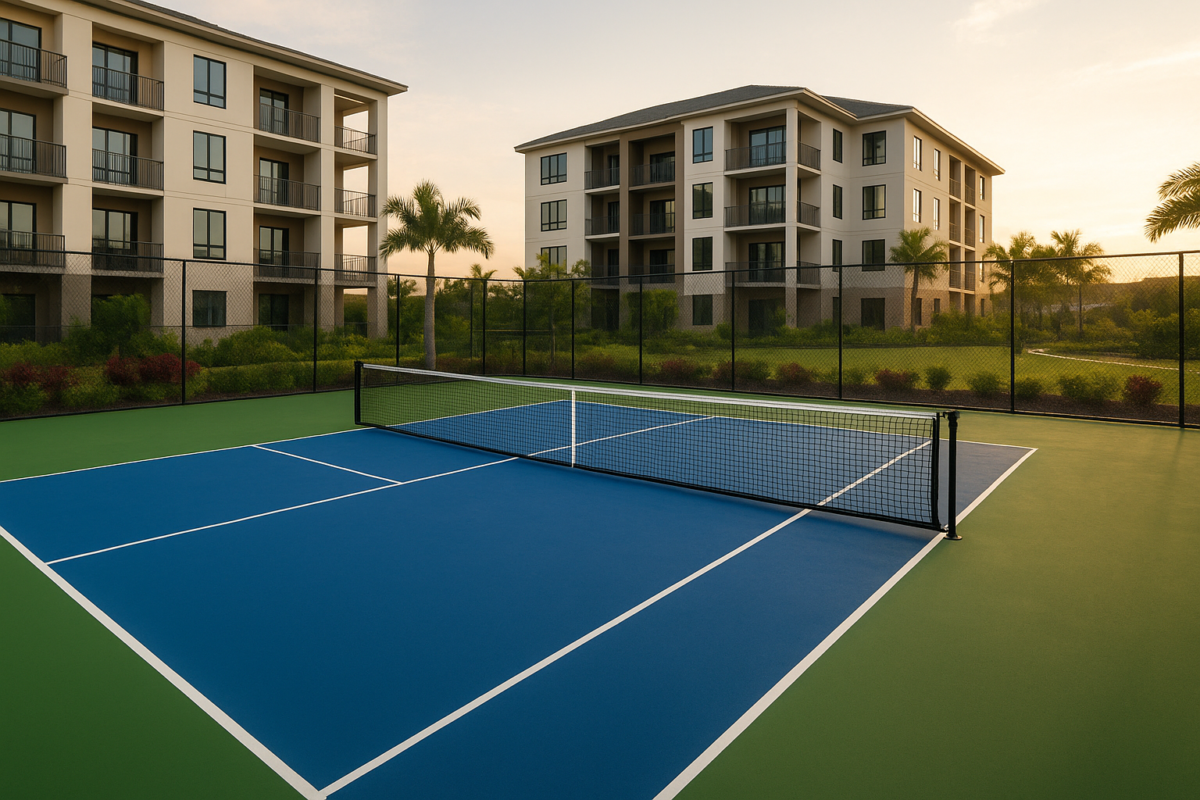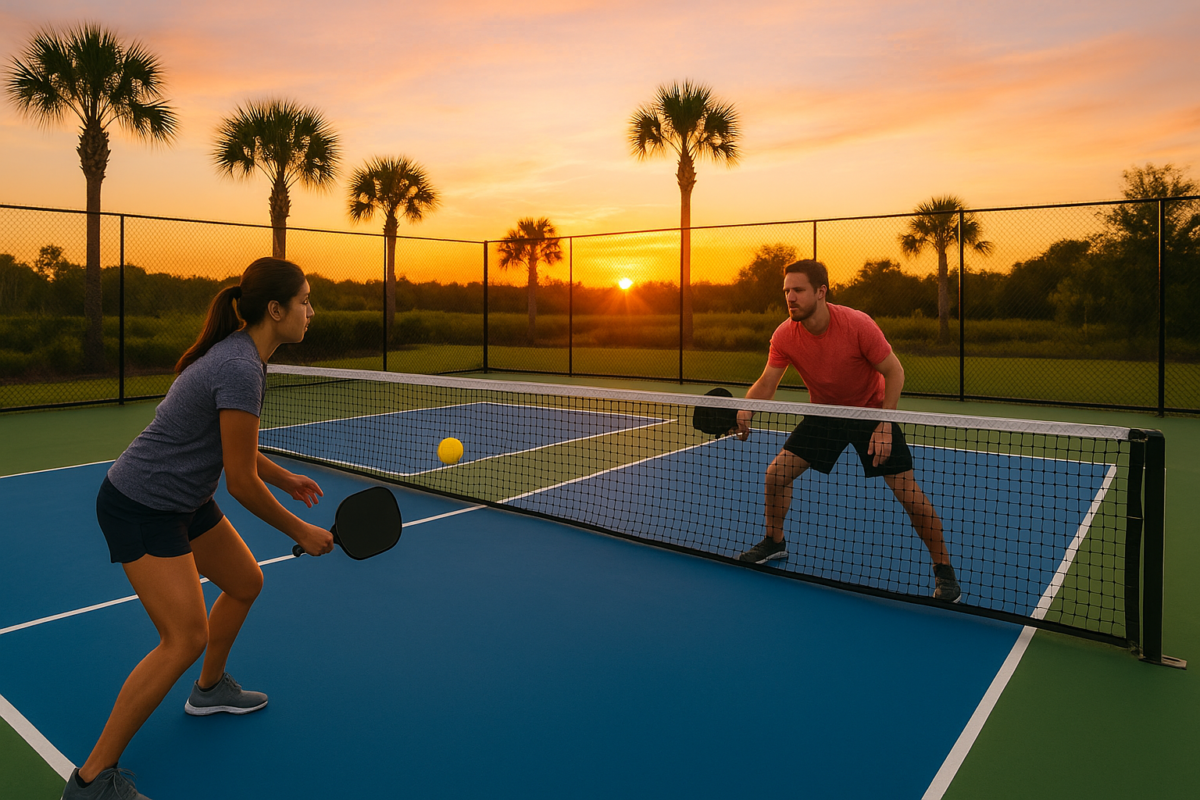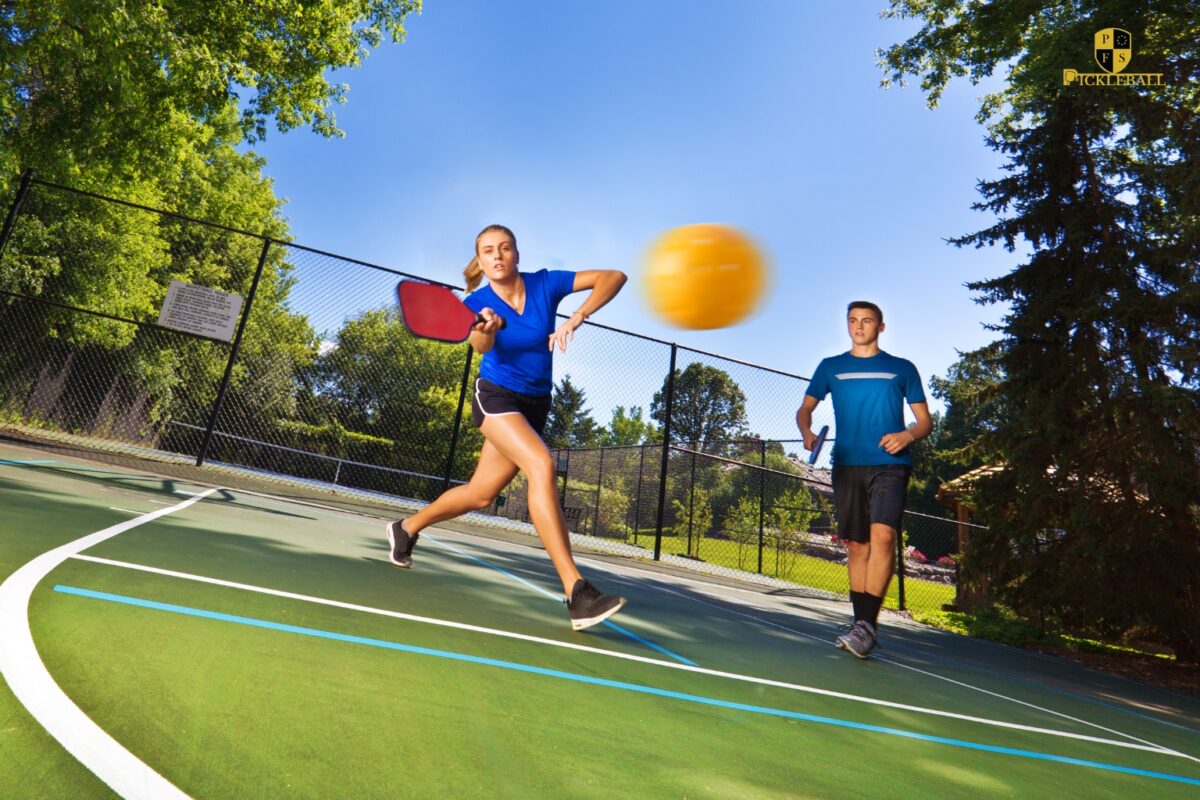

Acrylic vs Polyurethane Pickleball Court – Which Is Best for You?

Pickleball is rapidly becoming the world’s favorite recreational and competitive sport. Whether it’s a private villa, a sports academy, or a club facility, the court’s surface plays a crucial role in performance and player experience.
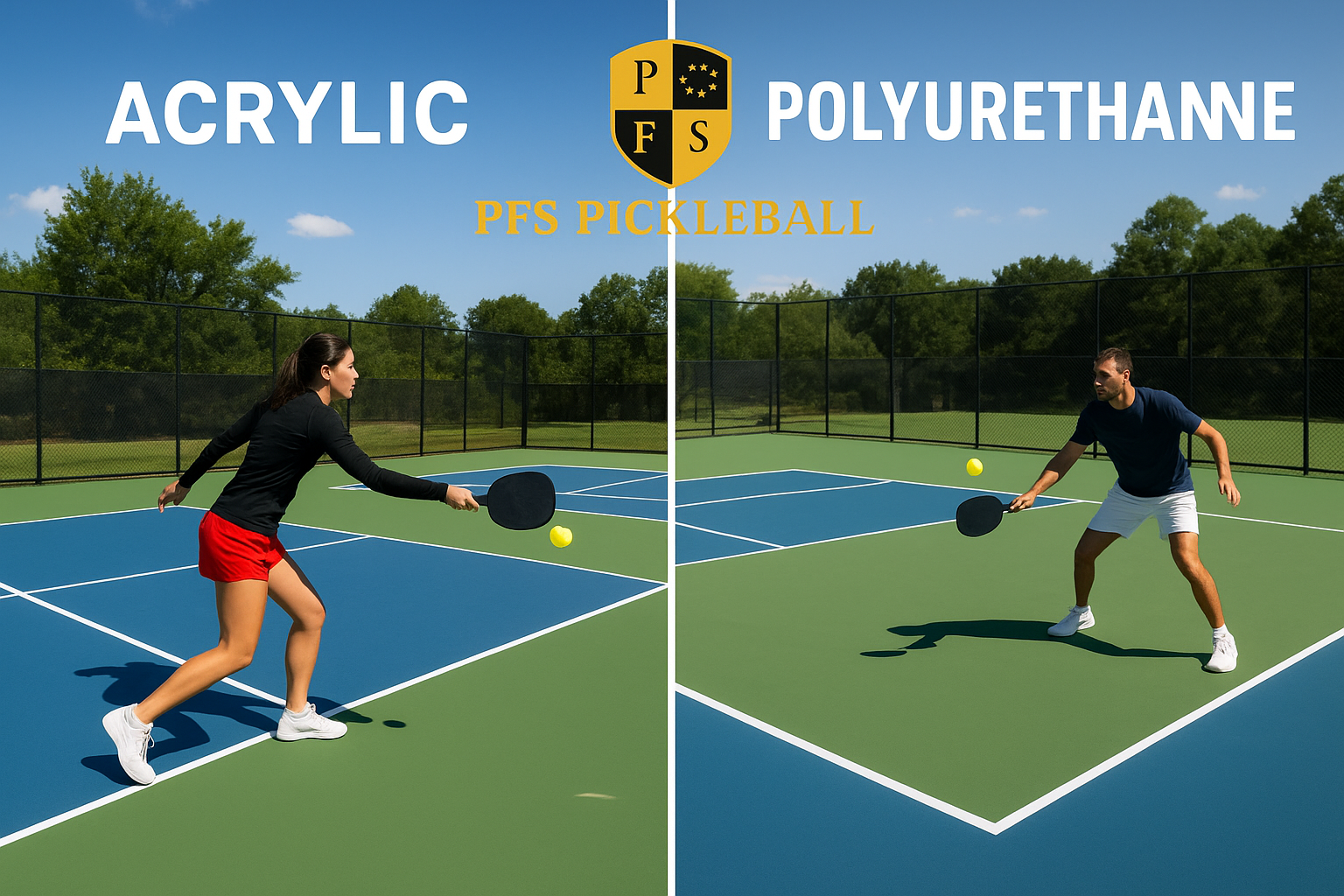
In this blog, you’ll discover the key differences between Acrylic vs Polyurethane Pickleball Court systems — including cost, durability, comfort, and maintenance.
We’ll also explore how PFS Pickleball, a global leader in court manufacturing, helps clients choose the perfect surface engineered for precision, safety, and long-term performance.
Why the Right Surface Matters in Pickleball
The court surface isn’t just a design choice — it determines the game’s speed, bounce quality, and player safety. A well-constructed Pickleball Court reduces fatigue, minimizes injuries, and enhances play consistency.
PFS Pickleball emphasizes that surface selection is one of the most critical decisions in court construction. Choosing between acrylic and polyurethane can shape the entire playing experience.
Understanding the Two Main Court Surface Types
What Is an Acrylic Pickleball Court?
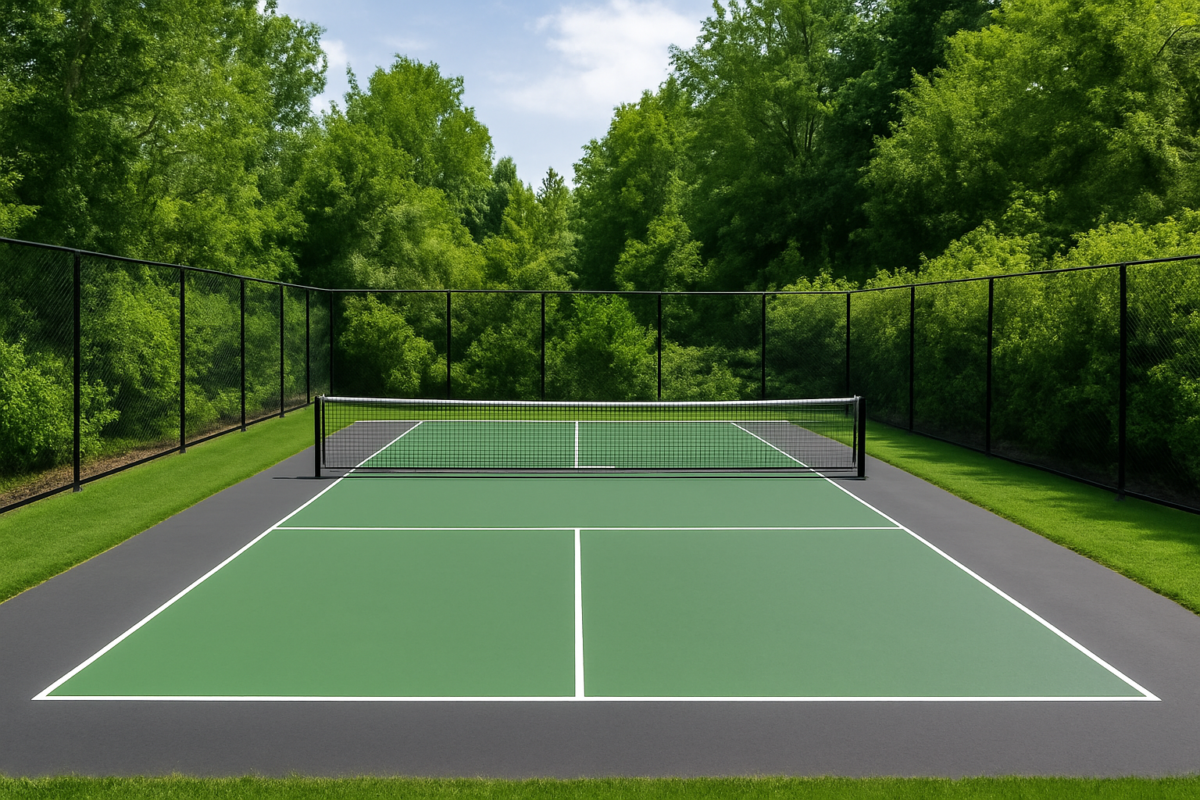
An acrylic Pickleball Court features a multi-layered coating made from durable, weather-resistant acrylic materials. These coatings are applied over a stable base such as concrete or asphalt.
Key Features:
-
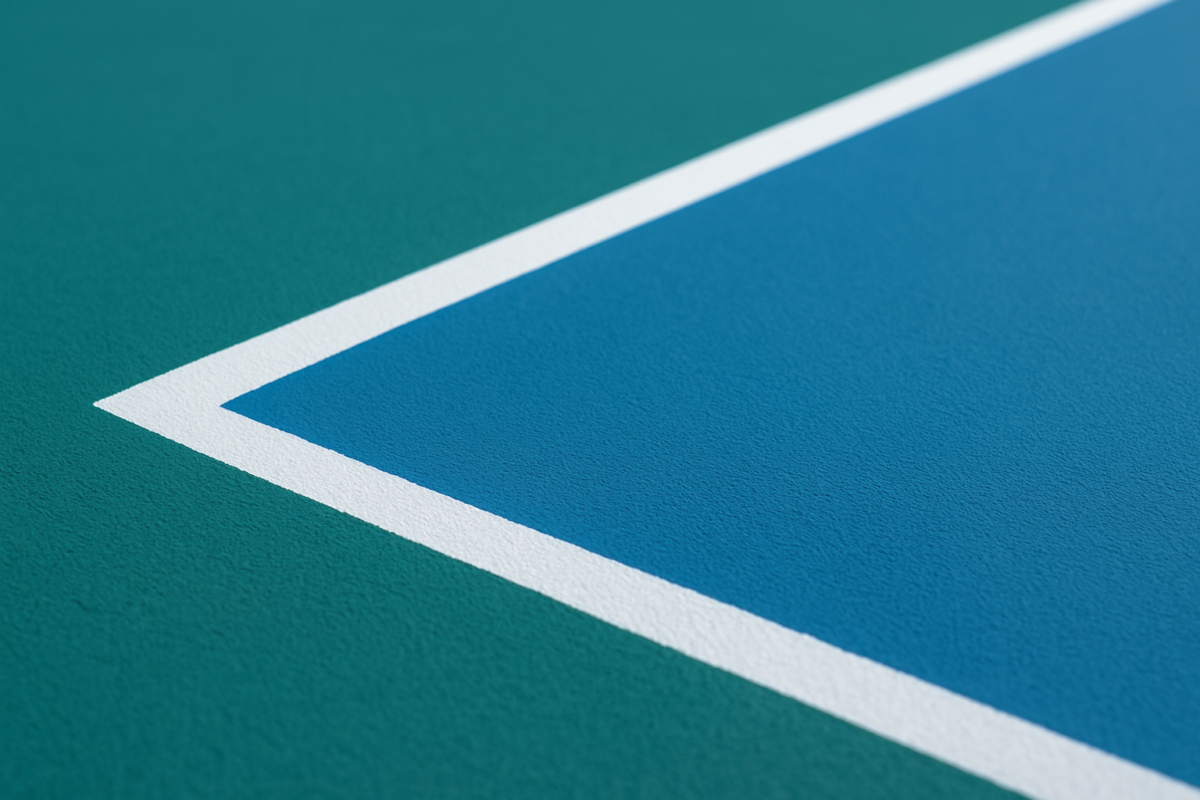
Non-slip matte texture
-
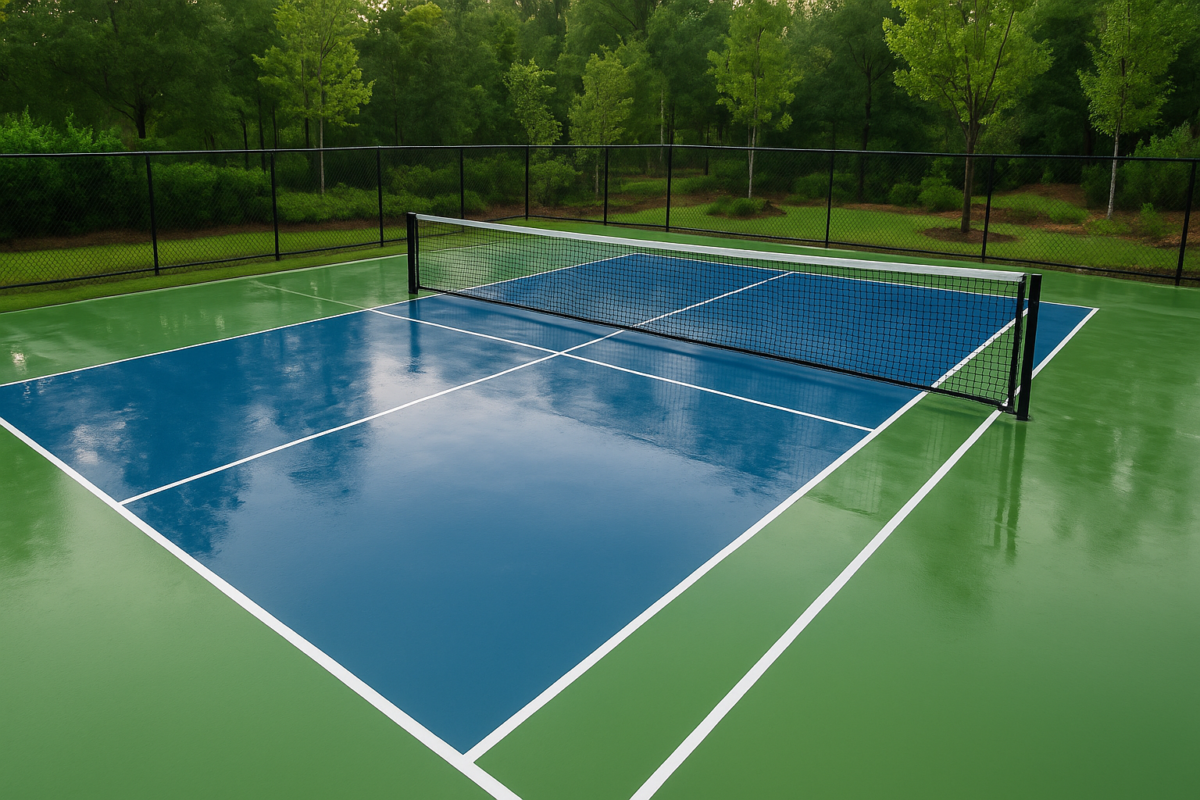
Bright color retention even in harsh sunlight
-
Resistant to cracking and peeling
-
Suitable for both indoor and outdoor installations
PFS Pickleball’s Acrylic Systems — like the Professional, Standing, and Comfort Acrylic Series — are engineered to meet global standards of bounce, grip, and durability.
What Is a Polyurethane Pickleball Court?
A polyurethane Pickleball Court uses a flexible, rubberized surface system. It’s designed for maximum comfort and cushioning, making it ideal for high-footfall facilities or multi-sport arenas.
Key Features:
-
High elasticity for joint protection
-
Superior shock absorption
-
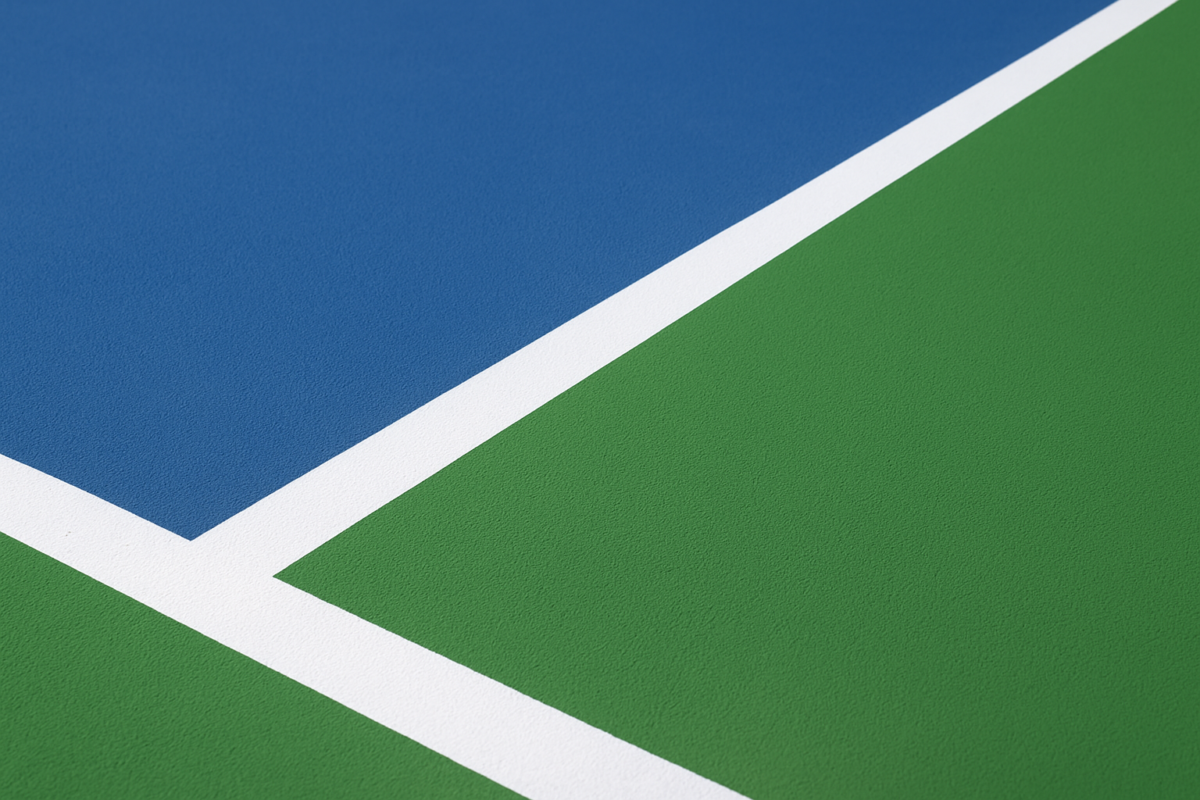
Smooth, seamless finish
-
Excellent abrasion and UV resistance
PFS Pickleball’s Polyurethane Systems are European-engineered and widely used in indoor sports complexes and professional training centers.
Acrylic vs Polyurethane Pickleball Court – Detailed Comparison
Let’s explore the main factors that differentiate these two leading surface types.
1. Performance and Playability
-
Acrylic Courts: Deliver a faster, more consistent ball bounce, ideal for competitive matches.
-
Polyurethane Courts: Offer a slightly softer bounce, reducing strain on players’ knees and ankles.
Verdict: Choose acrylic for speed and precision; polyurethane for comfort and endurance.
2. Durability and Lifespan
-
Acrylic: Can last up to 10–12 years with proper maintenance. Resistant to UV, rain, and temperature variations.
-
Polyurethane: Typically lasts 12–15 years due to its elastic structure, making it less prone to surface cracking.
Verdict: Polyurethane has a longer lifespan, but acrylic offers easier recoating and color restoration.
3. Maintenance Requirements
-
Acrylic: Simple cleaning with mild detergents. Recoating every 3–5 years maintains shine and texture.
-
Polyurethane: Requires minimal upkeep but may need specialized cleaners to maintain elasticity.
Verdict: Acrylic surfaces are easier to maintain for outdoor courts exposed to dust and rain.
4. Cost Comparison
| Surface Type | Approximate Cost (per sq. ft.) | Ideal Use Case |
|---|---|---|
| Acrylic System | ₹250–₹400 | Outdoor & Residential Courts |
| Polyurethane System | ₹350–₹600 | Indoor & Commercial Courts |
Verdict: Acrylic is more cost-effective for large-scale outdoor projects, while polyurethane justifies its higher price for premium indoor setups.
5. Comfort and Safety
-
Acrylic: Slightly firmer, offering great traction but less cushioning.
-
Polyurethane: Highly cushioned and flexible, minimizing joint impact for players of all ages.
Verdict: Polyurethane wins for comfort; acrylic is better for professional-level gameplay.
6. Environmental Factors
-
Acrylic: Performs best in hot and dry climates.
-
Polyurethane: Suitable for all-weather conditions, especially areas with high humidity or temperature variation.
Verdict: Acrylic suits outdoor tropical conditions; polyurethane is versatile across environments.
The Science Behind PFS Pickleball Court Systems
PFS Pickleball integrates advanced European engineering in both its acrylic and polyurethane product lines.
Their courts are certified under the Global Pickleball Federation (GPF) and Pickleball Federation of America (PFA) for international tournament standards.
Every surface system undergoes:
-
Shock absorption testing for player safety
-
Surface flatness calibration for true ball bounce
-
UV & weather endurance trials for long-term color and grip retention
Whether you choose Acrylic or Polyurethane, PFS Pickleball ensures unmatched precision, resilience, and performance.
Which Surface Should You Choose?
Choose Acrylic If You Want…
-
A professional-grade playing experience
-
Low maintenance and cost-effective performance
-
Outdoor installation with vibrant color stability
-
Faster gameplay and crisp ball response
Choose Polyurethane If You Want…
-
Comfort-focused gameplay with extra cushioning
-
Indoor court setups or multi-purpose sports halls
-
Superior shock absorption for frequent play
-
Long-term durability with minimal recoating
Real-World Applications by PFS Pickleball
PFS Pickleball has successfully designed and supplied courts across 30+ countries, from luxury resorts to urban sports complexes.
Some notable installations include:
-
Outdoor Acrylic Courts for residential clubs in India and the UAE
-
Indoor Polyurethane Courts in European fitness centers
-
Hybrid Systems for schools and training academies
Each project reflects PFS Pickleball’s commitment to engineering excellence, international standards, and aesthetically designed sports spaces.
Environmental Responsibility and Sustainability
Sustainability is a core part of PFS Pickleball’s mission.
Their acrylic and polyurethane systems are:
-
Low-VOC (volatile organic compound) materials
-
Lead-free and eco-certified
-
Recyclable packaging for minimal waste
This ensures a greener footprint without compromising performance or quality.
Maintenance Tips for Long-Term Court Performance
For Acrylic Courts
-
Recoat every 3–5 years for optimal grip.
-
Use soft-bristle brushes for cleaning.
-
Avoid harsh chemicals or power washing.
For Polyurethane Courts
-
Maintain surface elasticity by keeping humidity balanced.
-
Use neutral pH cleaners.
-
Avoid dragging heavy sports equipment.
PFS Pickleball provides post-installation support, maintenance manuals, and technical training for all clients.
Future Trends in Pickleball Court Technology
By 2025, surface technology is moving toward smart coatings that adapt to temperature and moisture.
PFS Pickleball is leading this innovation by developing hybrid acrylic-polyurethane systems — combining the speed of acrylic with the cushioning of polyurethane.
These hybrid systems represent the next generation of professional Pickleball Courts, ideal for clubs, developers, and resort owners seeking world-class infrastructure.
Common Questions About Pickleball Court Surfaces
Which surface lasts longer – acrylic or polyurethane?
Polyurethane typically lasts longer, but acrylic is easier to resurface and maintain.
Can acrylic courts be installed indoors?
Yes, but polyurethane is generally preferred for indoor comfort and acoustics.
Are both surfaces weather-resistant?
Yes, PFS Pickleball systems are engineered to perform under extreme weather conditions worldwide.
Which surface is better for beginners?
Polyurethane offers better cushioning, while acrylic provides a more professional bounce for learning advanced play.
Conclusion
Choosing between Acrylic vs Polyurethane Pickleball Court depends on your location, usage, and player preferences.
If you seek speed, cost-efficiency, and outdoor durability, go with acrylic. But if you want comfort, flexibility, and long-term resilience, polyurethane is the clear winner.
PFS Pickleball offers both systems with world-class engineering, customization, and installation support — ensuring every court meets the gold standard of performance.
Build your dream Pickleball Court today with PFS Pickleball — trusted worldwide for quality, innovation, and excellence.