
Top 10 Mistakes to Avoid When Building a Pickleball Court

Building a pickleball court is an exciting step for sports enthusiasts, clubs, and communities. With the sport’s explosive global growth, having a well-designed court enhances playability, durability, and player satisfaction.
However, a single design or construction mistake can lead to poor performance, cracks, drainage issues, or even safety hazards.
In this blog, we’ll cover the top 10 mistakes to avoid when building a pickleball court, explain how to prevent them, and show why PFS Pickleball is the go-to name for premium, long-lasting courts worldwide.
1. Ignoring Proper Site Selection
Choosing the wrong location is one of the biggest mistakes in pickleball court construction. An uneven surface, poor drainage, or lack of sunlight can lead to long-term issues.
Solution
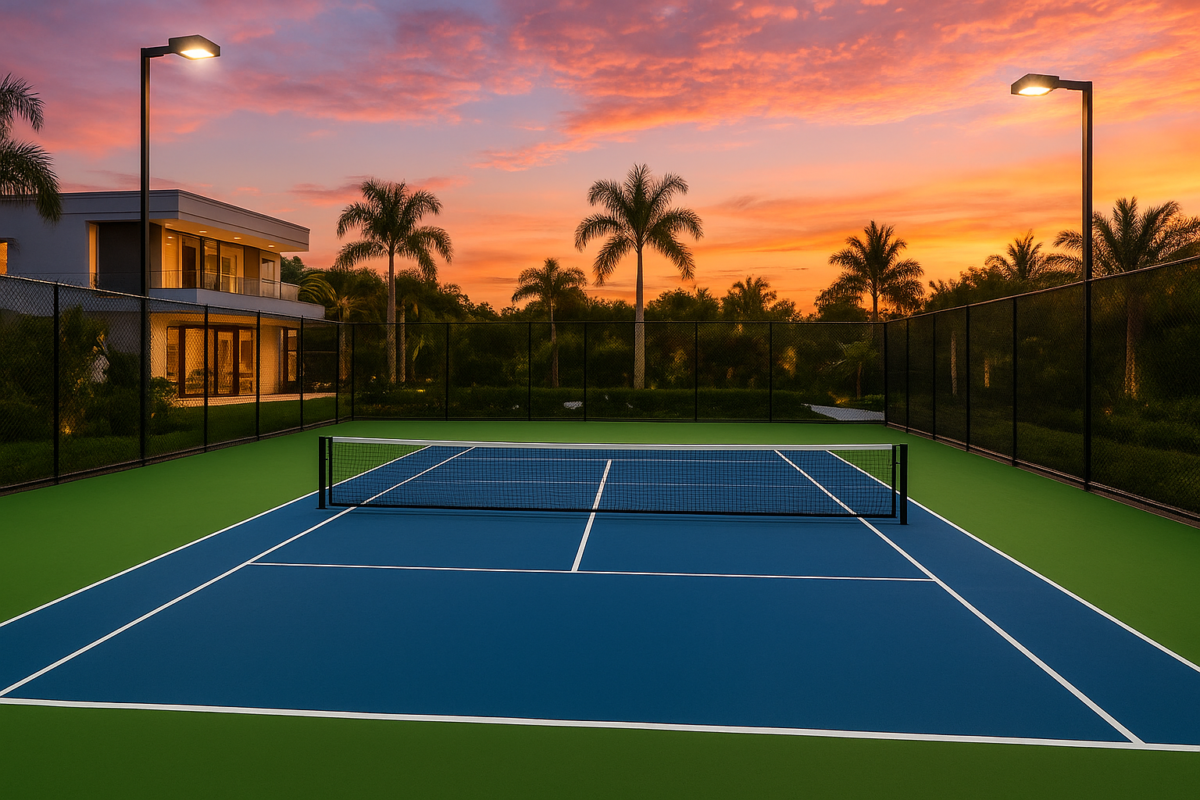
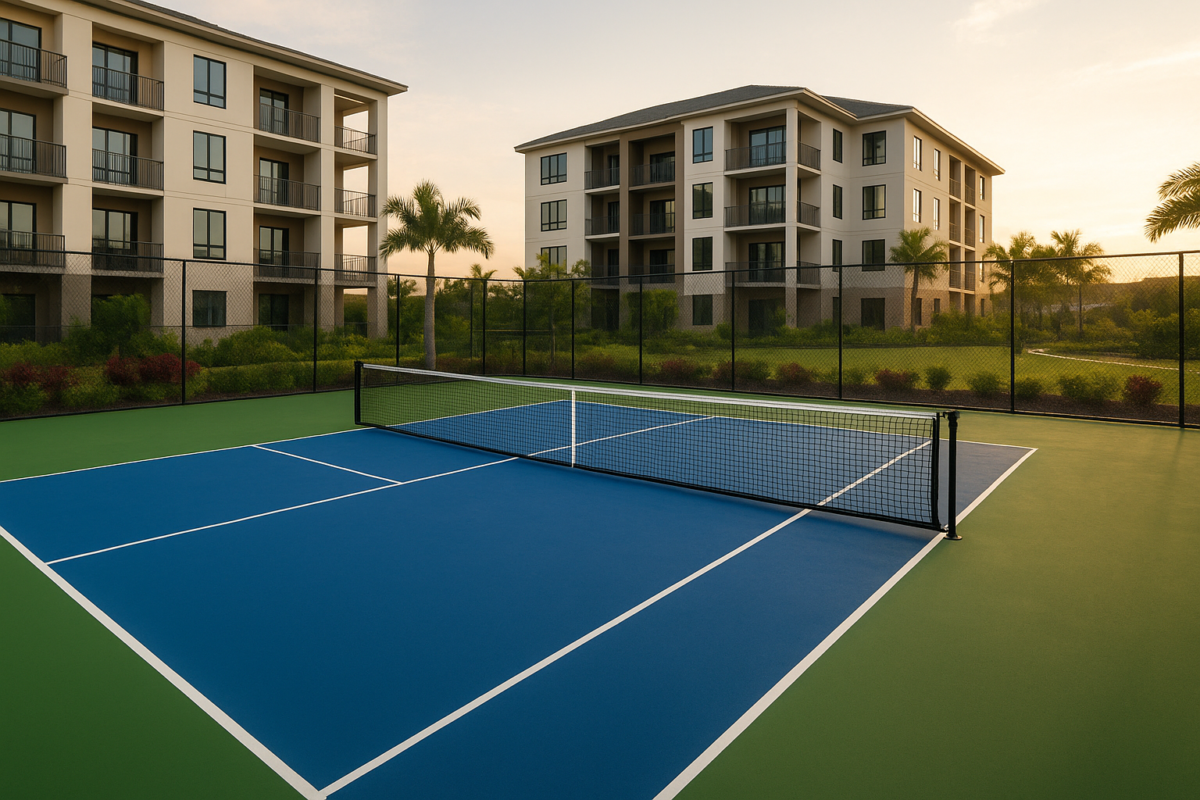
Select a flat, open area with good natural drainage. Avoid spots with large trees that can cause shade or falling debris. PFS Pickleball provides expert consultation to ensure the perfect site for your court.
2. Poor Drainage Planning
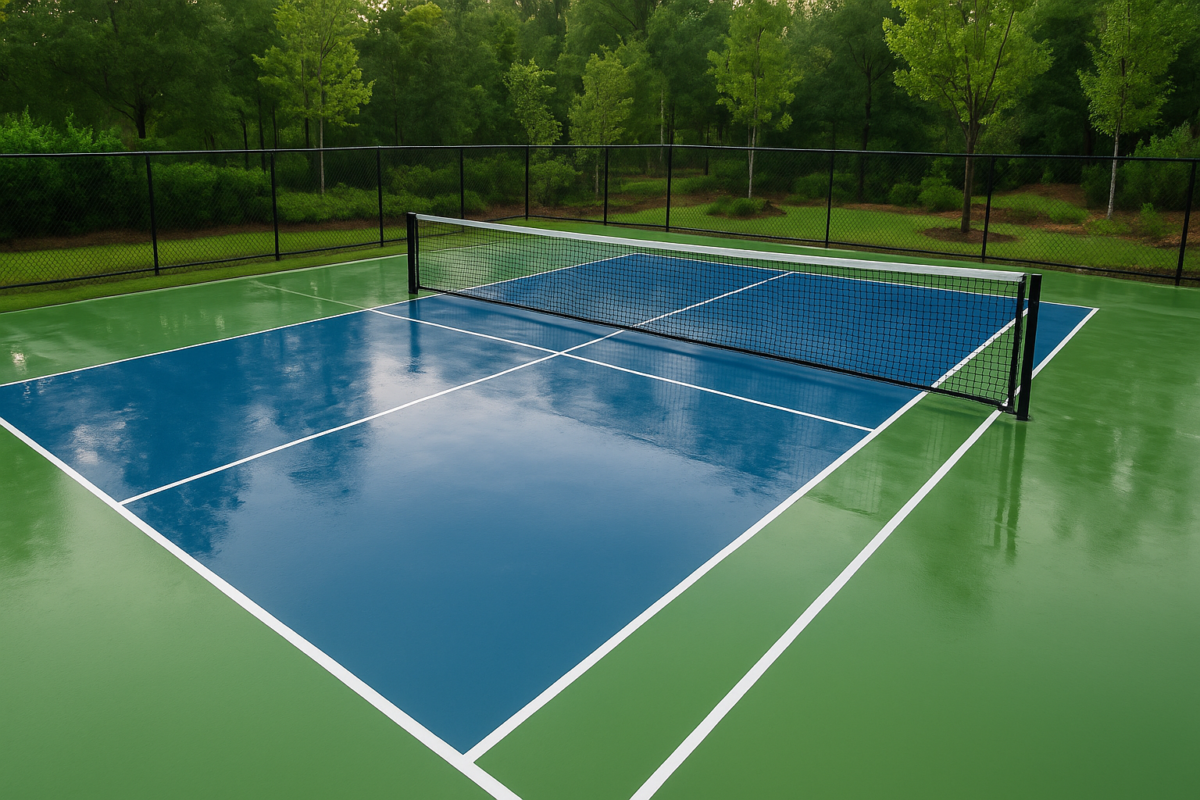
Water pooling or slow drying after rain can ruin a court’s surface and create cracks over time.
Solution
Install a proper slope (about 1%) and ensure the base is compacted with appropriate drainage layers. PFS Pickleball courts are engineered with advanced drainage systems to prevent long-term damage.
3. Using Low-Quality Materials
Cheap materials might save money upfront but cost much more later. Inferior acrylics, base layers, and nets degrade quickly under sunlight and heavy play.
Solution
Use premium-grade acrylic or polyurethane coatings and UV-stable materials. PFS Pickleball only uses internationally certified sports flooring materials tested for endurance and weather resistance.
4. Incorrect Court Dimensions
Many builders overlook official court measurements, leading to improper gameplay and tournament disqualification.
Solution
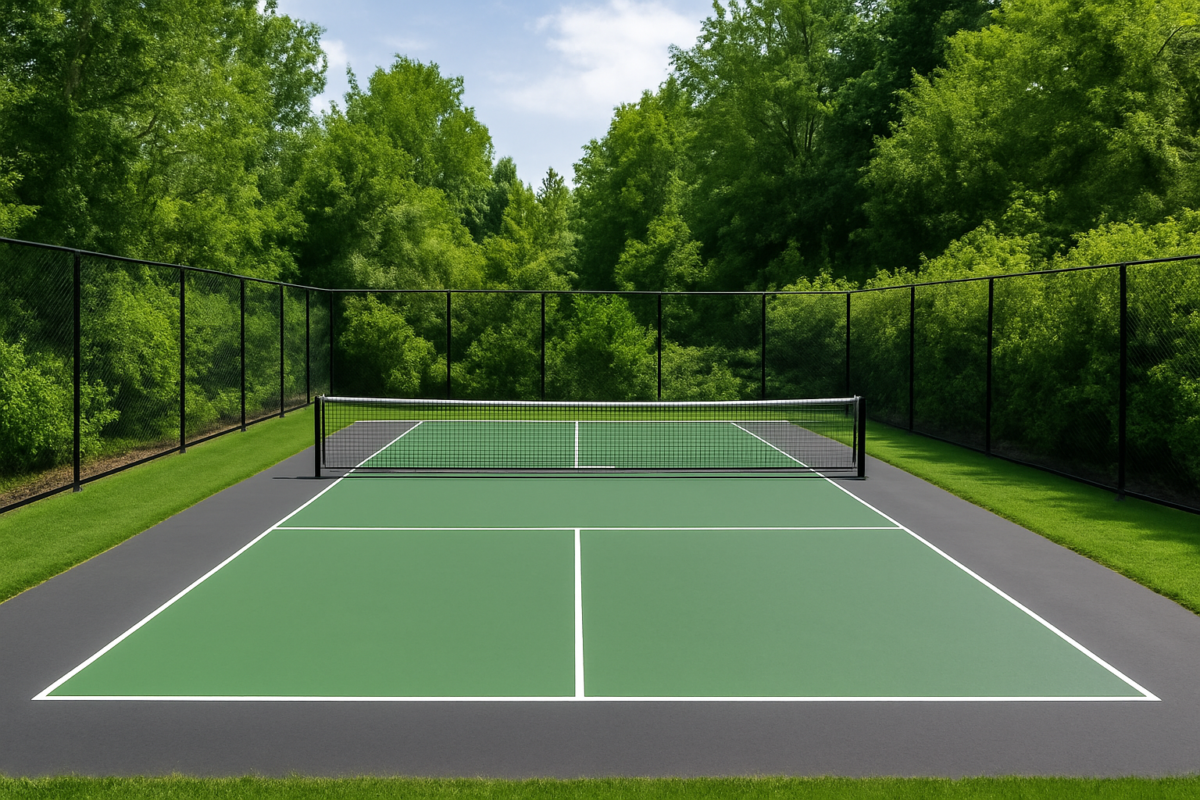
Follow official pickleball court dimensions — 20 feet wide by 44 feet long for both singles and doubles. Add proper run-off zones and fencing clearance. PFS Pickleball designs every court to global tournament standards.
5. Neglecting the Base Foundation
Without a stable foundation, even the best surface will fail. Cracks, uneven bounce, and water seepage often start from poor base preparation.
Solution
The sub-base should consist of properly compacted crushed stone with a smooth concrete or asphalt layer on top. PFS Pickleball’s engineering team uses precision leveling for flawless foundations.
6. Skipping Professional Installation
DIY or inexperienced contractors can make costly errors during installation. Improper layering, thickness variation, and uneven surfacing reduce longevity.
Solution
Hire experienced professionals. PFS Pickleball’s certified installers ensure accurate surfacing, optimal friction balance, and perfect bounce consistency.
7. Poor Lighting Setup
Lighting directly affects visibility and gameplay. Poorly positioned or low-quality lights can cause glare or shadows.
Solution
Use LED sports lighting with even coverage and minimal glare. PFS Pickleball designs customized lighting layouts for both indoor and outdoor courts.
8. Ignoring Fence and Net Quality
A good court isn’t just about flooring — fencing and nets are equally important for safety and performance.
Solution
Choose rust-resistant fencing and tournament-grade nets. PFS Pickleball uses powder-coated materials for long-lasting durability and a premium look.
9. Overlooking Climate Considerations
Using the wrong materials for local weather can cause rapid deterioration. Extreme temperatures, humidity, or UV rays affect court longevity.
Solution
Select materials suitable for your region. PFS Pickleball offers customized surface systems for all climates — from humid tropics to dry deserts.
10. Skipping Regular Maintenance
Even the best-built courts need care. Ignoring maintenance leads to dirt buildup, color fading, and surface cracking.
Solution
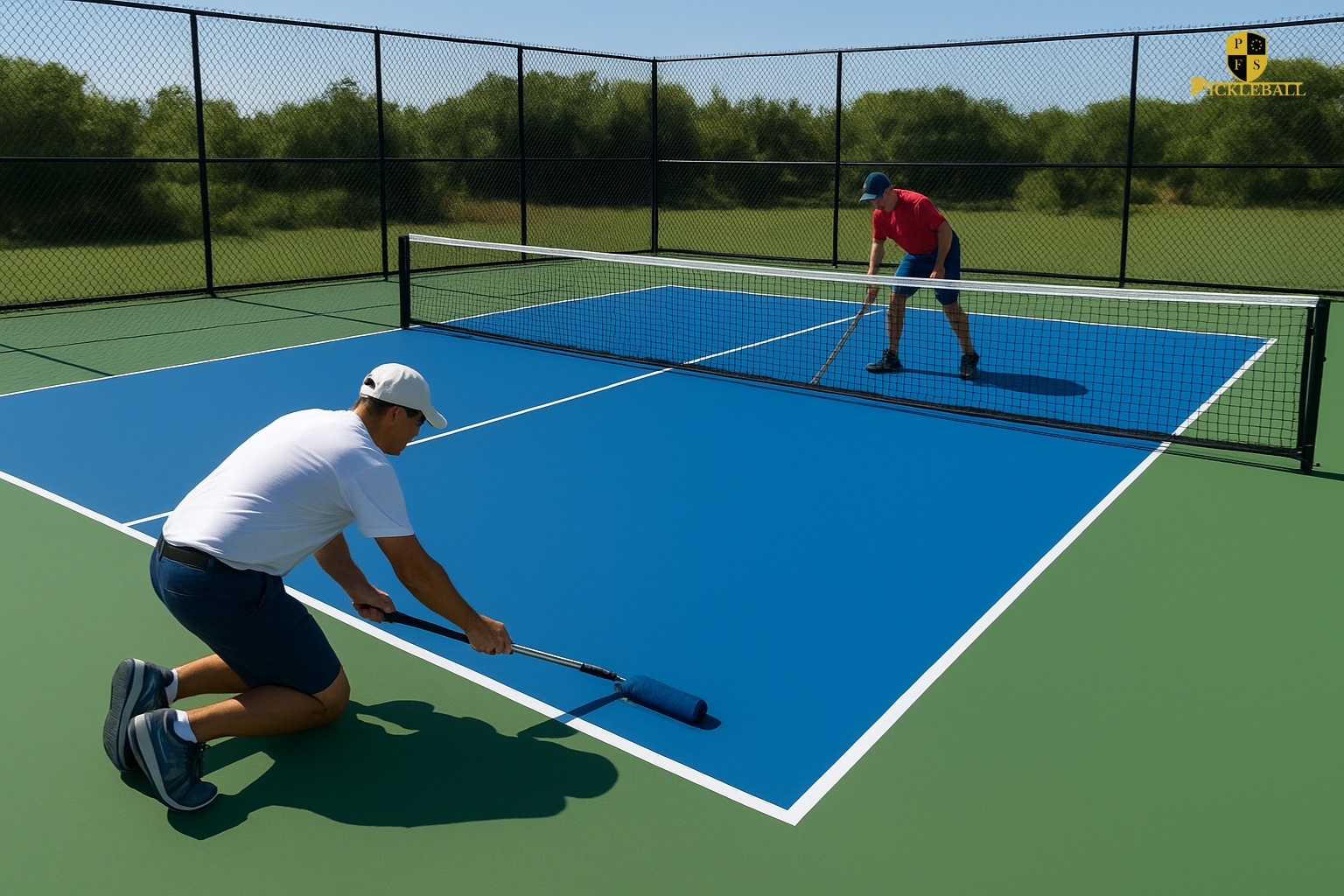
Schedule regular cleaning and resurfacing every few years. PFS Pickleball provides complete maintenance and resurfacing services to keep courts looking brand new.
Bonus Tip — Partner with Experts
When investing in a pickleball court, you’re building more than a play area — it’s an experience. Partnering with specialists ensures top performance, safety, and aesthetics.
PFS Pickleball combines European engineering, global materials, and local expertise to create courts trusted by clubs, resorts, and communities worldwide.
Why Choose PFS Pickleball?
-
European-engineered flooring systems for maximum durability
-
Eco-friendly materials tested for UV and slip resistance
-
Custom designs for all skill levels and venues
-
End-to-end project management — from design to maintenance
-
Trusted globally as a premium sports infrastructure brand
Whether you need one court or a multi-court complex, PFS Pickleball ensures unmatched precision, performance, and style.
Common Questions About Pickleball Court Building
How long does it take to build a pickleball court?
A standard court takes 4–6 weeks depending on site conditions and materials.
What is the best surface for pickleball courts?
Acrylic surfaces are ideal for outdoor courts, while polyurethane systems work best for indoor spaces.
Can I convert an old tennis court into a pickleball court?
Yes! PFS Pickleball specializes in conversions and resurfacing projects using professional-grade materials.
Conclusion
Building a pickleball court is an investment in quality, performance, and community engagement. Avoiding common mistakes — from site selection to maintenance — ensures your court remains world-class for years.
When excellence matters, PFS Pickleball is the trusted name for designing, building, and maintaining professional-grade courts worldwide.
Visit PFS Pickleball today to explore premium court solutions and start your project with confidence!